
Blog: The Future of Leadership (for Mid-Career Professionals)
By Danika Covlin Veldkamp
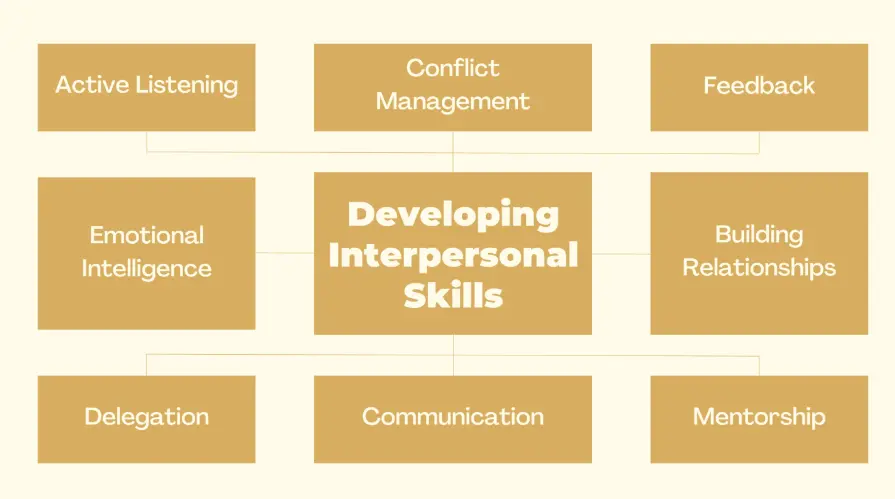
- Building strong relationships: Building Stronger Relationships And Communicating Effectively In The Workplace
- Open communication: Mastering Collaboration Within a Team
- Effective feedback: How to Give the Most Effective Feedback
- Seek advice from mentors through platforms like Women of the Channel (free memberships available) and MentorCruise Interpersonal skills (AKA soft skills) like empathy, communication, and relationship-building will continue to be essential for leaders. After all, these skills help leaders build people-first cultures. As Shiran Nawi, Chief People Officer at monday.com, says, "People-first culture is based on the assumption that there is a strong correlation between happy employees and the success of the business."
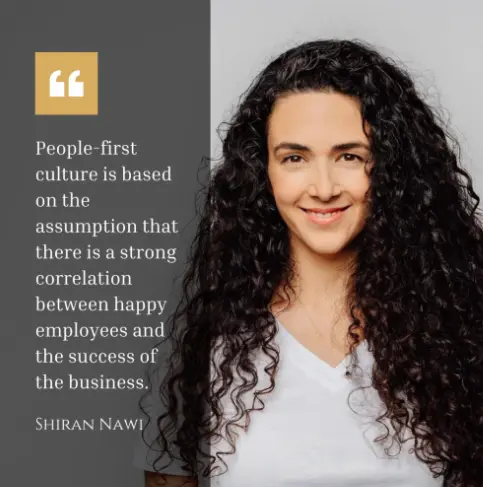 Quote & Image Source: BusinessChief by Tom Chapman.
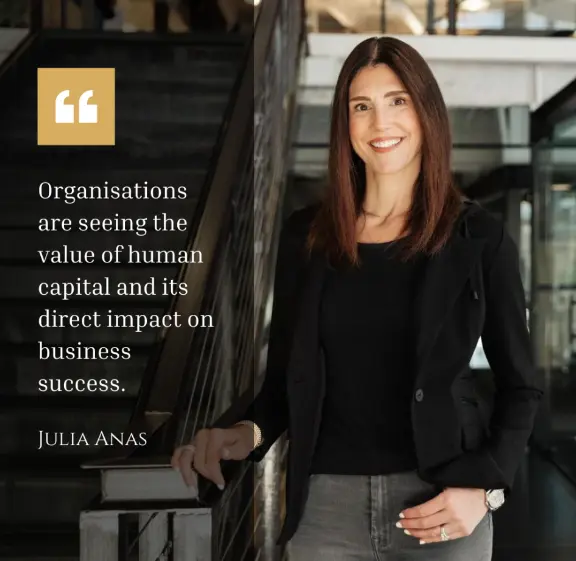 Quote & Image Source: BusinessChief by Tom Chapman.
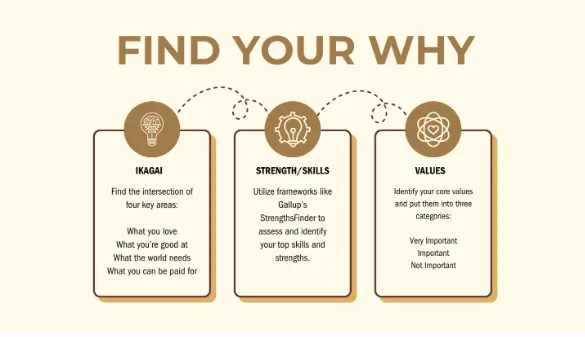
- Ikagai: What it is and how to use ikigai to find your purpose
- Strength/Skills Frameworks: StrengthsFinder, 16Personalities, Enneagram
- Values: Personal Values Card Sort
Additionally, research has shown that when people witness leaders acting ethically, those people are more likely to follow suit. That's why it is so important to surround yourself with people who embody strong, ethical behavior. When that becomes the norm, it fosters trust, collaboration, and a more positive environment for everyone.
It starts with small actions you can do in 30 seconds.
- Acknowledge what is being done by those around you. Pick one person to acknowledge today.
- Thank and express gratitude to those around you. Who is someone you can thank tomorrow? (Schedule an email to reach their inbox over the weekend and make their Monday a little brighter).
- Set and uphold healthy boundaries. Is there something you are feeling uneasy with right now? Consider if a personal boundary is being overstepped. Then, speak up and change course.
- Check that your values align with current initiatives. Then prioritize those value-aligned initiatives. (Check out the short case study below to see what this looks like.)
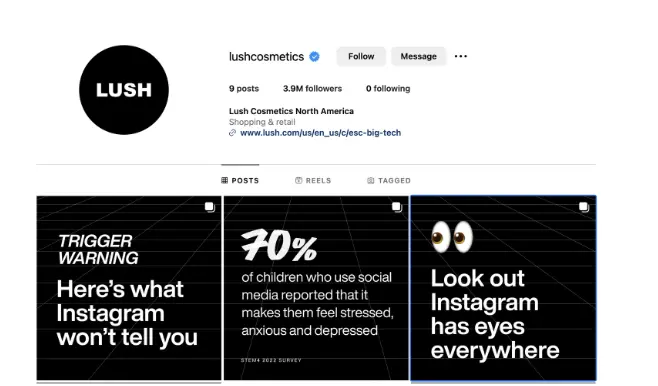
"I’ve spent all my life avoiding putting harmful ingredients in my products. There is now overwhelming evidence we are being put at risk when using social media. I’m not willing to expose my customers to this harm, so it’s time to take it out of the mix." - Mark Constantine Obe, Co-Founder & CEO, Lush
With millions of customers and tens of thousands of employees, the company put out a statement, Lush Is Becoming Anti-Social. From a personal perspective, this bold move was one of value-alignment. From a business perspective, it was a huge risk.
Bio: Driven by creative prowess, I combine creativity and business acumen to help businesses and individuals achieve growth and build strong connections. My dedication to people-oriented business strategies highlights my pursuit of the greater good for my clients and my partners.