

Blog: Leveraging Technology to Enhance DEI Initiatives: Strategies for Channel Leaders
Published on August 2, 2024
By Jen Waltz, Vice President, Global Alternate Channels, Kron Technologies
Discover how technology can empower Diversity, Equity, and Inclusion (DEI) initiatives. This blog provides channel leaders with insights and strategies for leveraging technology to foster an inclusive workplace and drive business success.
Let’s Start with Facts
- Corporations identified as more diverse and inclusive are 35% more likely to outperform their competitors. (McKinsey)
- Diverse companies are 70% more likely to capture new markets. (HBR)
- Diverse teams are 87% better at making decisions. (People Management)
- Diverse management teams lead to 19% higher revenue. (BCG)
- Inclusive companies are 1.7 times more likely to be innovative. (Josh Bersin)
- Inclusive companies get 2.3 times more cash flow per employee. (Josh Bersin)
- Millennials are 83% more likely to be engaged at work at inclusive companies. (Deloitte)
The Intersection of Technology and DEI
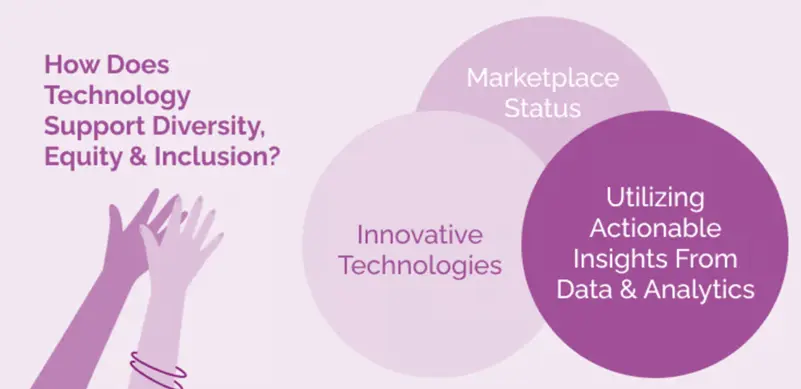
Technology is not just pivotal but a necessary tool in shaping workplace culture and driving business outcomes in today's digital age. For channel leaders, leveraging technology to enhance Diversity, Equity, and Inclusion (DEI) initiatives is not just a strategic advantage but a pressing necessity. Integrating technology into DEI efforts can lead to more effective and measurable outcomes, fostering an inclusive environment where every employee can thrive.
The Role of Technology in DEI
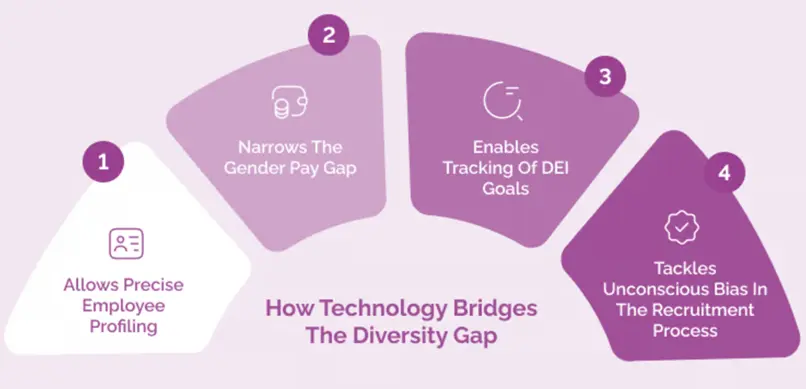
Technology can support DEI in numerous ways, from recruitment and training to data analysis and communication. Here is how:
- Recruitment and Hiring: Technology in recruitment can help eliminate biases and ensure a more diverse talent pool. AI-driven recruitment tools can anonymize applications, focusing on skills and qualifications rather than demographic factors. Platforms like HireVue use video analysis to assess candidates' skills objectively, while programs like Textio enhance job descriptions to appeal to a broader audience.
- Training and Development: Online training platforms can provide scalable and accessible DEI training for employees. These platforms offer courses on unconscious bias, cultural competence, and inclusive leadership. Examples include LinkedIn Learning and Coursera, which offer comprehensive DEI training modules. Virtual reality (VR) is another innovative tool that provides immersive experiences that build employee empathy and understanding.
- Data Analysis: Advanced analytics can help organizations track and measure their DEI efforts. By collecting and analyzing data on hiring, promotions, pay equity, and employee engagement, companies can identify areas for improvement and track progress over time. Tools like People Analytics from Microsoft and Tableau provide insights that inform DEI strategies and decisions.
- Communication and Collaboration: Technology facilitates open communication and collaboration, which is essential for fostering an inclusive workplace. Platforms like Slack and Microsoft Teams enable real-time communication and create spaces for diverse voices to be heard. Additionally, employee resource groups (ERGs) can use these platforms to organize and communicate effectively, building a sense of community and support.
Implementing Technology-Driven DEI Strategies
To effectively leverage technology for DEI, channel leaders should consider the following strategies:
- Invest in Inclusive Recruitment Technologies: Adopting AI-driven recruitment tools and anonymized application processes can help attract a diverse talent pool. Ensure these tools are regularly audited to prevent algorithmic biases and maintain fairness.
- Promote Continuous Learning through Online Platforms: Encourage employees to participate in DEI training, which is available on online platforms. To ensure widespread participation, make these courses mandatory training. Consider using VR to provide immersive and impactful learning experiences.
- Utilize Data for Informed Decision-Making: Leverage data analytics tools to monitor and evaluate your DEI initiatives. Regularly review the data to identify trends, gaps, and areas for improvement. Use these insights to refine your strategies and set measurable DEI goals.
- Foster Open Communication and Collaboration: Create channels for open dialogue and collaboration using digital communication platforms. Encourage the formation of ERGs and support their activities. Use these platforms to celebrate diversity and share success stories, reinforcing an inclusive culture.
Case Study: Tech Giants Leading the Way
Several tech companies have successfully integrated technology into their DEI initiatives. For instance, Google uses AI to review job descriptions and ensure they are inclusive. They also leverage data analytics to monitor diversity metrics and make informed decisions. Microsoft’s People Analytics tool helps them track progress and identify areas for improvement in their DEI efforts. These companies demonstrate how technology can be a powerful ally in driving DEI.
The Future of DEI and Technology
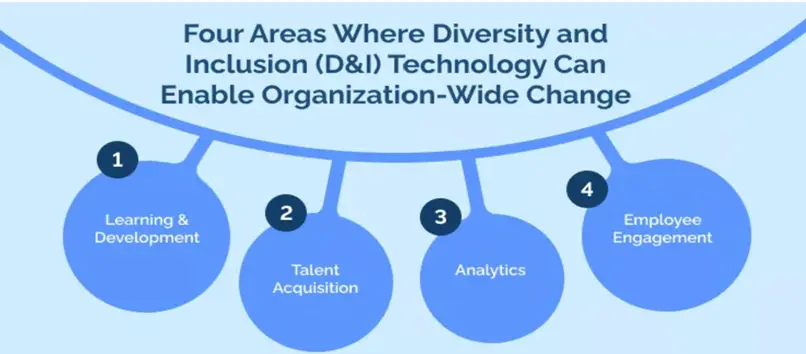
As technology continues to evolve, its role in enhancing DEI will only grow. Emerging technologies like artificial intelligence, machine learning, and virtual reality will provide new opportunities to foster inclusive workplaces. Channel leaders must stay ahead of these trends, continuously exploring and adopting innovative solutions to support their DEI goals.
It's crucial to understand that DEI is more than just a checkbox for improving company image or public relations. DEI is a powerful driver of organization-wide change, benefiting both individual employees and the entire organization.
Learning & Development
Traditional DEI training, including sexual harassment and unconscious bias training, is evolving. Companies are leveraging new technologies to help employees deeply understand DEI values. VR platforms like Being VR and Equal Reality offer immersive DEI training, enabling employees to experience their colleagues' perspectives and improve their workplace behaviors.
Talent Acquisition
Talent acquisition is a critical area for DEI technology. Many tools exist to reduce unconscious bias in recruitment, attract a diverse workforce, and create a more inclusive selection process. Video-based AI can analyze interviewer biases and provide insights for conducting more inclusive interviews.
Analytics
DEI analytics are essential for generating workplace insights and prioritizing DEI improvements. Metrics should measure diverse talent pool turnover rates and identify key talent sources. Tech leaders must use these analytics to assess the impact of DEI strategies on business outcomes and adjust strategies accordingly. Investing in the right demographics and evaluating ROI will optimize recruitment efforts. Tools like Pipeline, Sameworks, and Visier offer niche analytics solutions, while HRM and DEI platforms also feature built-in analytics capabilities.
Employee Engagement
Capturing feedback and engaging with employees is vital for DEI. Some DEI technologies utilize sentiment analysis to detect patterns in feedback, while others enable real-time culture evaluation to flag non-inclusive behaviors. Employee experience and engagement technologies, such as Cultivate, analyze communication data from workplace interactions, helping managers reflect on and improve their inclusivity and model positive values for their teams.
For further reading and resources on leveraging technology for DEI, consider exploring platforms like the Society for Human Resource Management (SHRM) and the National Diversity Council. These organizations offer valuable insights and tools to support your DEI journey.
By embracing these technological advancements, channel leaders can create a dynamic, inclusive workplace where everyone feels valued and empowered to succeed.
Conclusion
As channel leaders, we must champion the use of technology in DEI efforts. Integrating technology into your DEI strategy can significantly improve the creation of an inclusive, equitable, and diverse workplace. Embracing digital transformation and harnessing its power to build a thriving, innovative, and inclusive organization.
By leveraging advanced tools and platforms, channel leaders can enhance recruitment, training, data analysis, and communication efforts. This drives DEI initiatives forward and contributes to overall business success. Together, we can create a workplace where everyone feels valued and empowered to succeed.
Championing technology in DEI is about embracing innovation and creating a dynamic, inclusive workplace where everyone can thrive
Bio: Jen Waltz, a dynamic business development leader with an impressive two-decade career, is recognized for her expertise in software development, strategic partnerships, and global alliances. Possessing a solid understanding of SLDC and Agile methodologies, Jen has consistently fueled growth in various leadership roles. Waltz joined the Kron team in May of 2023, serving as the founding Vice President of Global Alternate Channel Sales at Kron Technologies. She leads global channel partnerships specializing in cybersecurity solutions serving the Telecom, Financial Services, Manufacturing, Healthcare, and Utilities verticals.
In her prior role as the Director of Global Partners and Alliance Channel Sales with Equinix, Jen played a pivotal role in consistently exceeding targets and generating millions in new revenue. With a background that includes key positions at Unisys Corporation, Microsoft Corporation, The Brooks Firm, and Digital Factory, Jen's journey from "Cookies to Cloud to Cybersecurity" is underscored by her ability to build high-performing teams and drive strategic initiatives. Waltz holds a JD/MBA in Management and Organizational Behavior from Benedictine University, executive leadership courses, certifications, and an array of technical skills. Jen's commitment to professional development, diversity, and inclusion is further demonstrated through her involvement in various professional organizations and volunteer efforts.
Born and raised in Tennessee, Waltz now lives in Chicago with her husband, Dr. Aaron Waltz, Ph. D., eighteen-year-old fraternal bonus twins Haley and Colton, and Shetland Sheepdog fur babies Sugar and Spice. She is an avid gardener, passionate about mentoring future leaders, enjoys farm-to-table cooking, and connects with other partner leaders to create new-to-market solutions.