
Balancing the Scales: Turning Intention Into Action
International Women’s Day is often a moment for reflection—but this year’s Women of the Channel (WOTC) International Women’s Day panel was about something more: action.
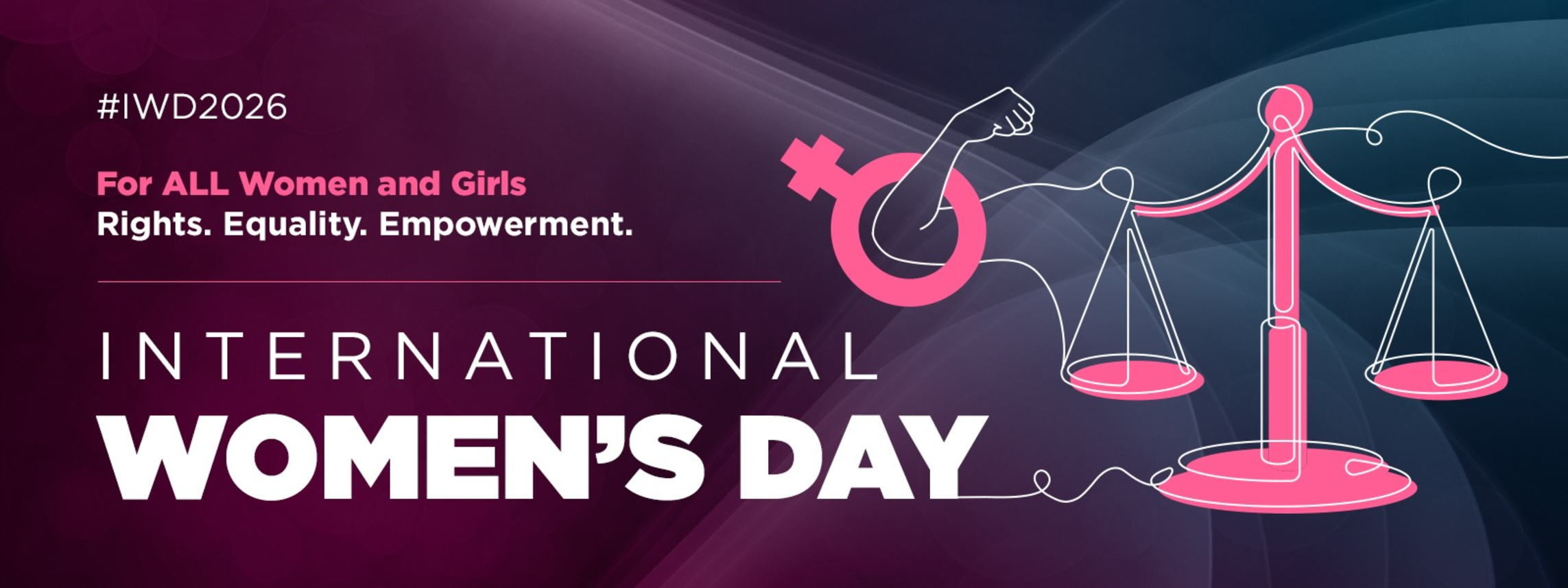
Centered on the United Nations’ 2026 theme, Balancing the Scales, the conversation brought together WOTC Advisory Board Members and allies for an honest, thoughtful discussion about equity, access, opportunity, and the collective responsibility required to move progress forward. The message was clear: while progress has been made, the work is far from done—and it cannot rest on women alone.
Hosted by Alanna April, Program Manager for Women of the Channel, the panel featured Lori Cornmesser - WOTC Advisory Board Member, Alex Stanton - Vice President of Global Partner Marketing and Growth Studio at Arctic Wolf, Bill Jones- President, Communities, The Channel Company, and Anthony Graziano - SVP, Marketing, D&H Distributing — each offering candid insights shaped by lived experience, leadership, and allyship.
Why “Balancing the Scales” Matters
Balancing the scales isn’t about creating advantage—it’s about removing barriers. It’s about ensuring women and girls have fair access to opportunity, safety, visibility, and growth. As Alanna shared in her opening remarks, equity requires collective responsibility—leaders, advocates, and allies working together to create systems where progress is shared, not shouldered by women alone.
Throughout the discussion, one theme surfaced repeatedly: intention must be paired with action.
Lived Experiences That Reveal Hidden Imbalances
Alex Stanton, Vice President of Global Partner Marketing and Growth Studio at Arctic Wolf, shared a familiar experience many women recognize instantly: presenting a well‑researched idea in a meeting, only to see it gain traction when repeated later by a male colleague.
“It wasn’t a single moment—it was a pattern,” Alex explained. Over time, she learned the imbalance wasn’t personal; it was systemic. That realization shifted her focus from self‑doubt to advocacy—both for herself and for others.
As a leader today, Alex now watches for those moments in meetings, intentionally creating space for voices that might otherwise be overlooked. Her takeaway? Change happens in the micro‑moments, not just the big initiatives.
Allyship in Action: Speaking Up When It’s Easier to Stay Quiet
From an ally perspective, Bill Jones, President of The Channel Company’s Communities business, emphasized the responsibility leaders carry in shaping inclusive environments.
He shared how easy it can be to unintentionally reinforce imbalance—especially in fast‑paced meetings where momentum pushes teams forward. The real leadership moment, he noted, is pausing to ask: Why did that idea land now? or Who didn’t get heard?
True allyship, Bill explained, is intentional:
-
Asking questions to bring others into the conversation
-
Giving direct, transparent feedback consistently
-
Advocating for people when they’re not in the room
Progress, he said, isn’t temporary—it must be embedded into daily leadership decisions.
Barriers That Shape Confidence, Access, and Growth
For Lori Cornmesser, her career journey revealed a powerful lesson about readiness and visibility. Raised with the belief that hard work alone would lead to advancement, she eventually realized that opportunity often requires raising your hand before you feel ready.
She observed that many men advanced not because they were fully prepared, but because they stepped forward earlier—and more often. When Lori began doing the same, her career trajectory changed dramatically.
Her advice was clear:
-
Seek sponsors, not just mentors
-
Raise your hand—even when you’re not “ready”
-
Ask for advice and welcome feedback
“We’re never truly ready,” she reminded the audience. Growth comes from courage, not perfection.
The Barriers We Don’t Always See
Anthony Graziano, who leads marketing at D&H Distributing, highlighted barriers that often go unnamed—yet deeply influence advancement.
From vague feedback like “she’s not ready,” to unequal risk tolerance, to the invisible burden of “office housework,” Anthony pointed out how bias often hides in systems, not intentions.
One of the most critical gaps he called out was access—the informal conversations that happen before meetings, outside conference rooms, or inside discussions where decisions begin to take shape.
“If women aren’t in those spaces,” he shared, “they’re reacting to outcomes instead of shaping them.”
For allies, the responsibility is clear: bring women into those rooms, advocate by name, and challenge assumptions in real time—even when it feels uncomfortable.
What Meaningful Allyship Really Looks Like
Across the panel, allyship was defined not by language—but by action.
Alex shared that some of her most impactful career moments came when allies advocated for her when she wasn’t present, or intentionally redirected conversations to include her voice.
True allyship means:
-
Sponsoring, not just mentoring
-
Redirecting credit where it belongs
-
Speaking up when silence would be easier
-
Creating space—and validating that space—for participation
As Alex noted, even 30 extra seconds in a meeting can change the culture of a room.
The Role of Organizations and Leadership
The panel made one thing clear: equity cannot be a “nice‑to‑have.” It must be embedded into the business.
From metrics and accountability to inclusive hiring practices and leadership KPIs, organizations must move beyond statements into systems. Lori emphasized that today’s workforce—and customers—are paying attention. Representation, transparency, and action matter.
Alex added that leaders must also protect time for employees to engage in ERGs, advisory groups, and inclusion initiatives—treating that work as equally valuable to business outcomes.
As Bill shared, this work doesn’t replace performance—it strengthens it.
Small Actions That Create Big Impact
To close the conversation, each panelist shared one action anyone can take to help balance the scales:
-
Notice and act on micro‑moments
-
Advocate for someone not in the room
-
Raise your hand before you feel ready
-
Turn mentorship into sponsorship
-
Get involved—start small, think big
Progress, as Alanna reminded the audience, isn’t about perfection. It’s about consistency, intention, and collective action.
Turning Conversation Into Action
If this conversation resonated, the work doesn’t stop here.
Women of the Channel is where discussions like this turn into action—through connection, shared learning, and real‑world application. It’s a space where women and allies come together to open doors, strengthen leadership, and help one another move forward.
Because balancing the scales isn’t a one‑day effort—it’s a shared commitment.